
Packrafting in Western Australia
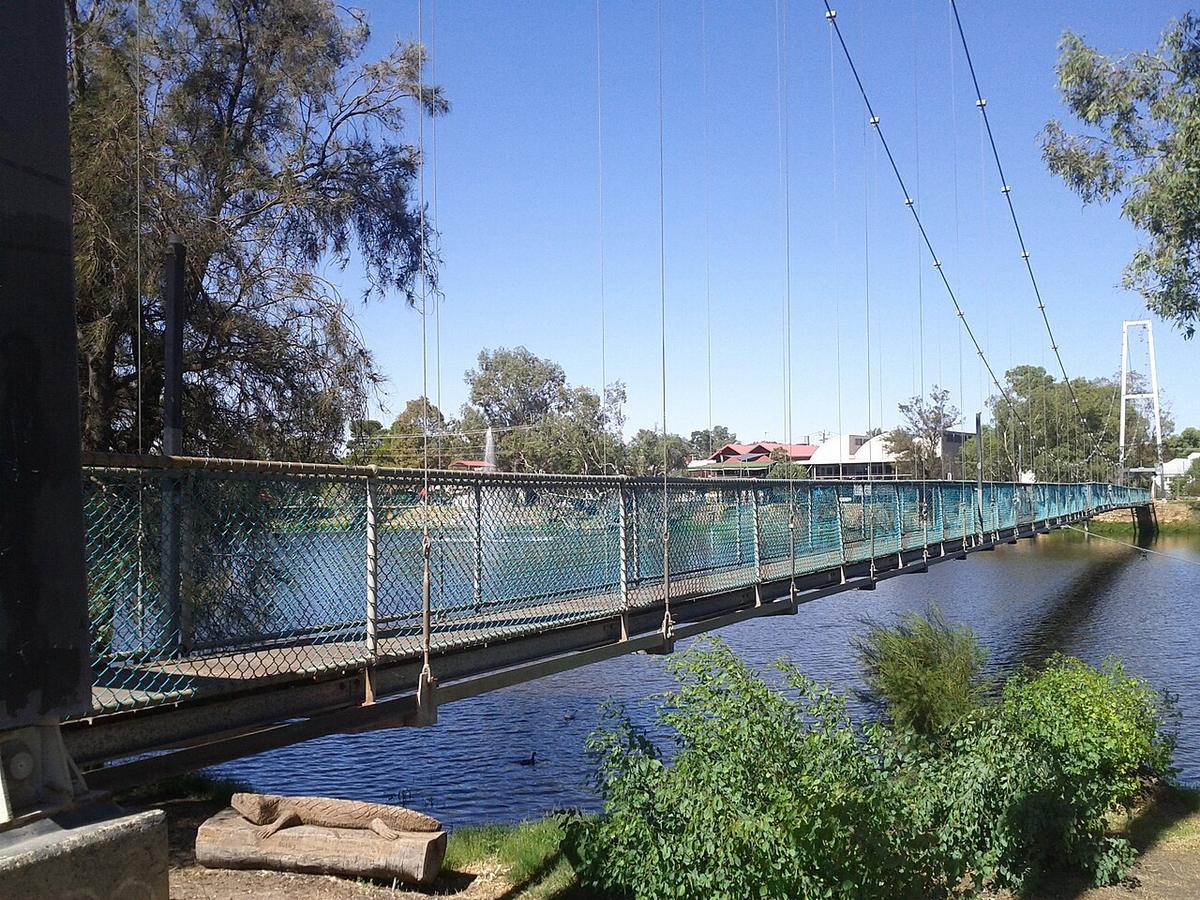
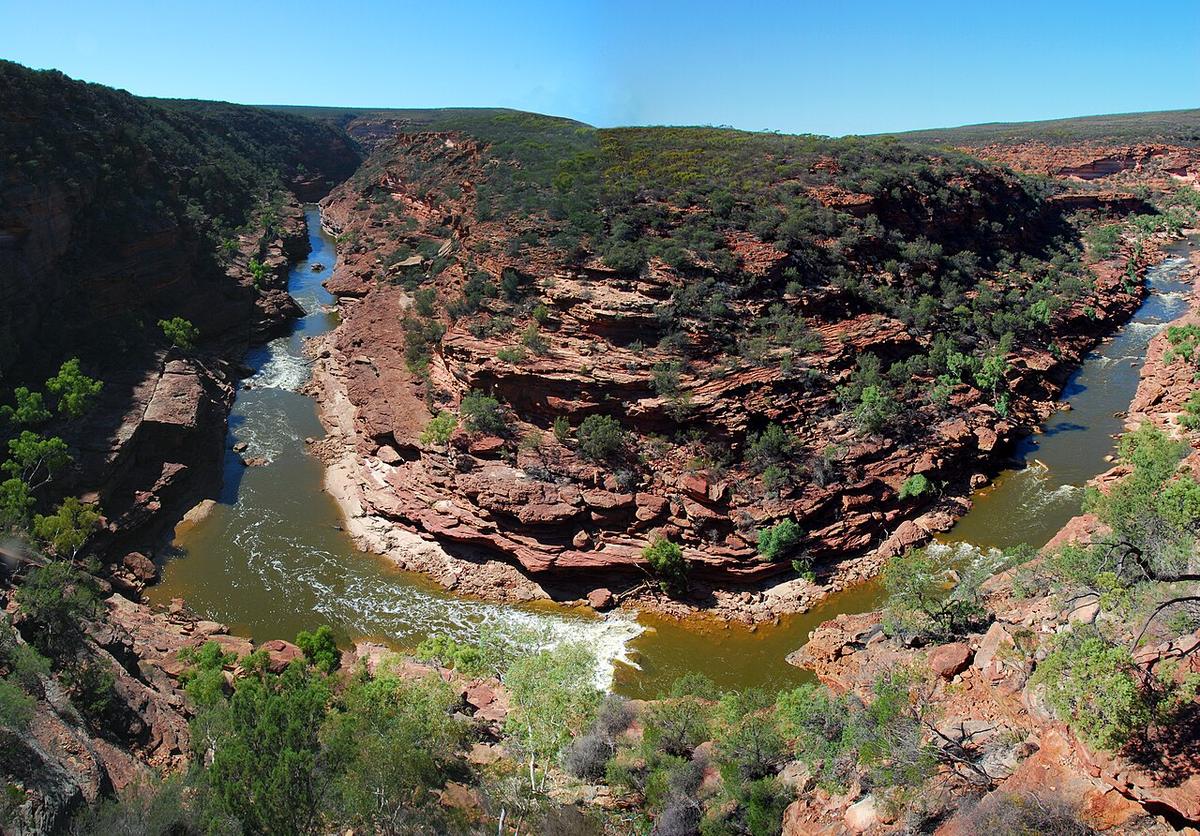
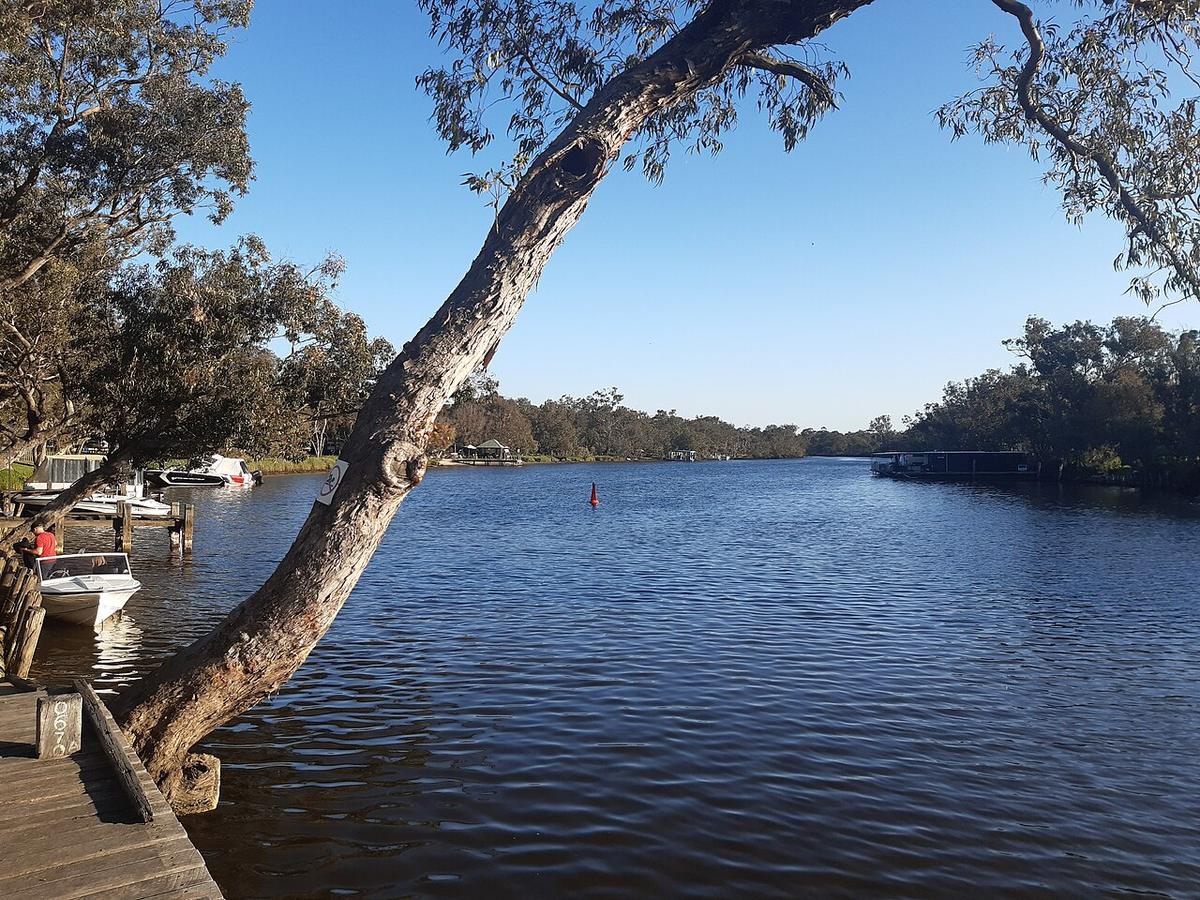
The south-west of Western Australia holds the touring river of record for the state. The Blackwood rises in wheatbelt country and runs to the sea at Hardy Inlet near Augusta, passing through jarrah forest and farm valleys on the way.
Trip guides in Western Australia
8 trip guides
About paddling in Western Australia
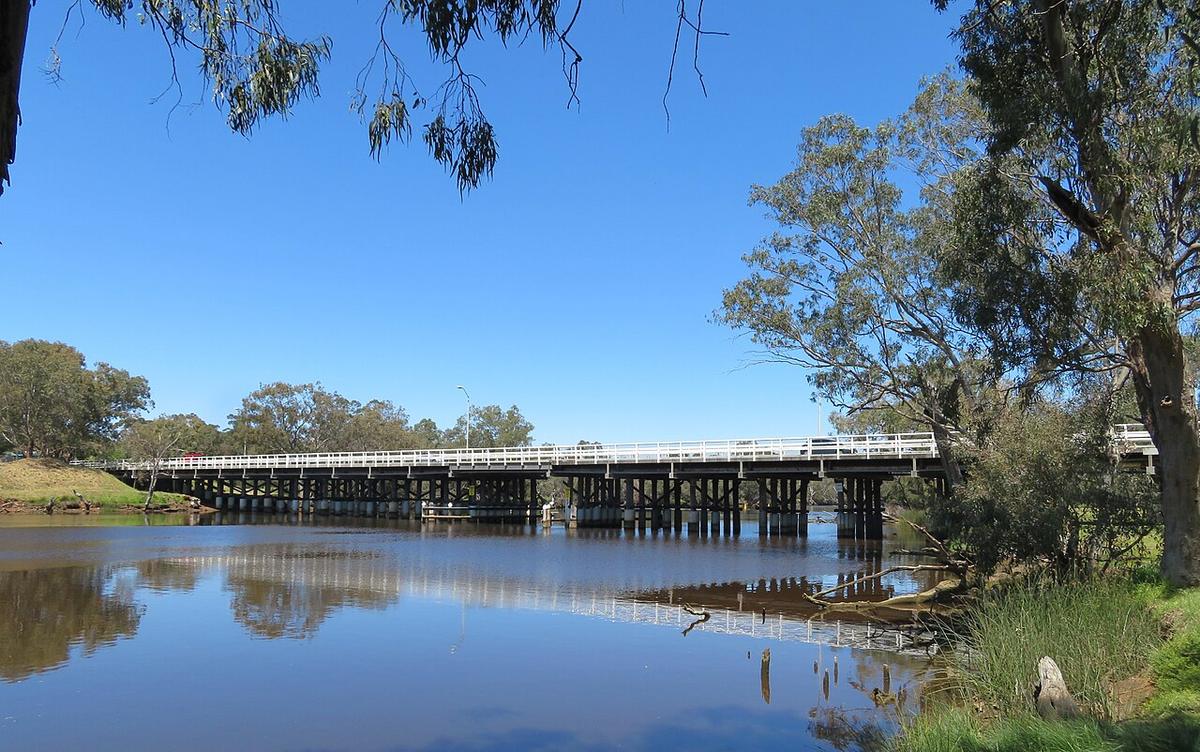
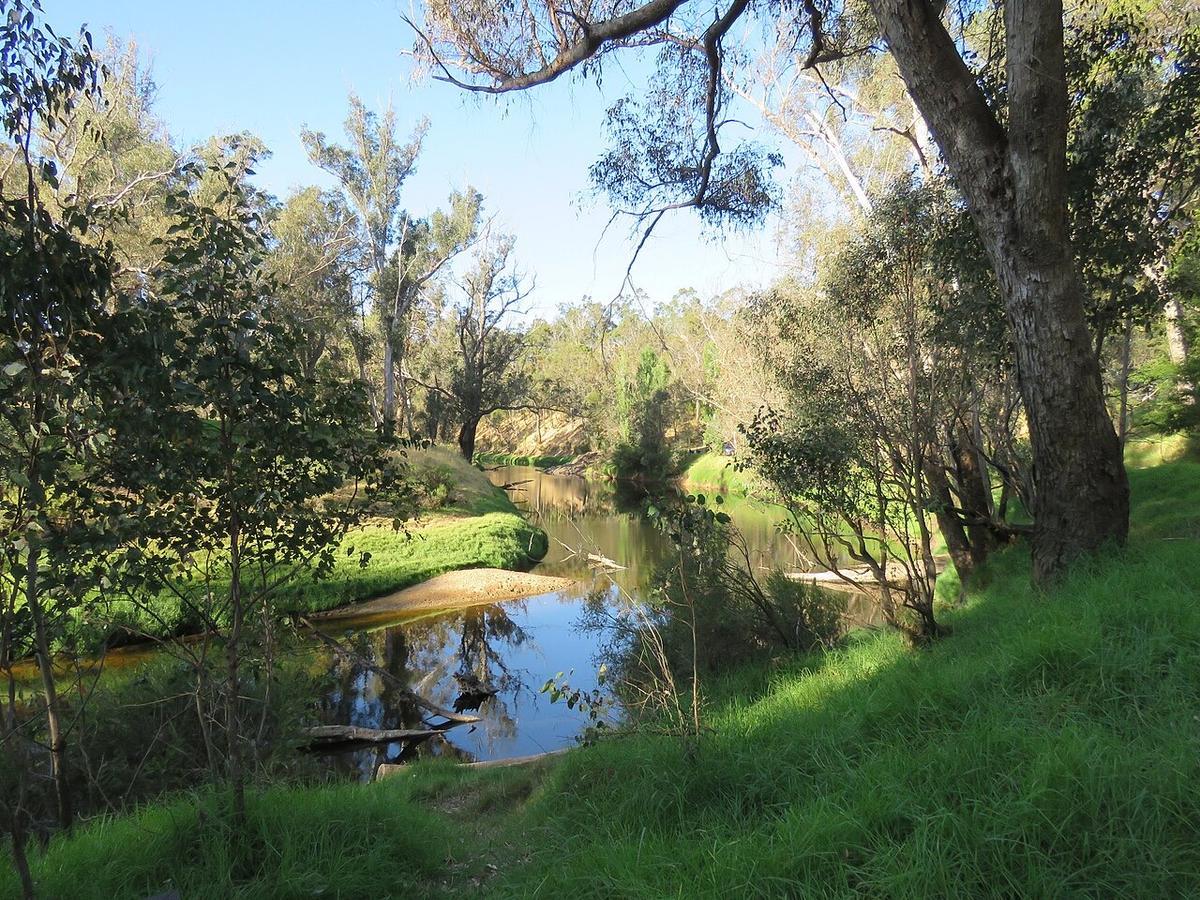
Most of its length is gentle moving water rather than rapids, which makes it a river for days, not hours: unhurried paddling, forest sounds, simple camps. Winter and spring bring the flows. By late summer many reaches run thin, so the season decides the trip. Access points are spread along the valley, which suits a packraft you can carry, launch anywhere, and roll up at a road bridge when the day is done. Check flows before you commit and expect fences and fallen timber near farmland. A Seeka Tourer suits the Blackwood pattern well, and the Solo keeps the walk-in options open.
Seasons in the south-west
Winter brings the water. The Bureau of Meteorology describes south-west winter rainfall as reliable and summer rainfall as unreliable, with the autumn break usually arriving by early May in the west and mid to late June further east.
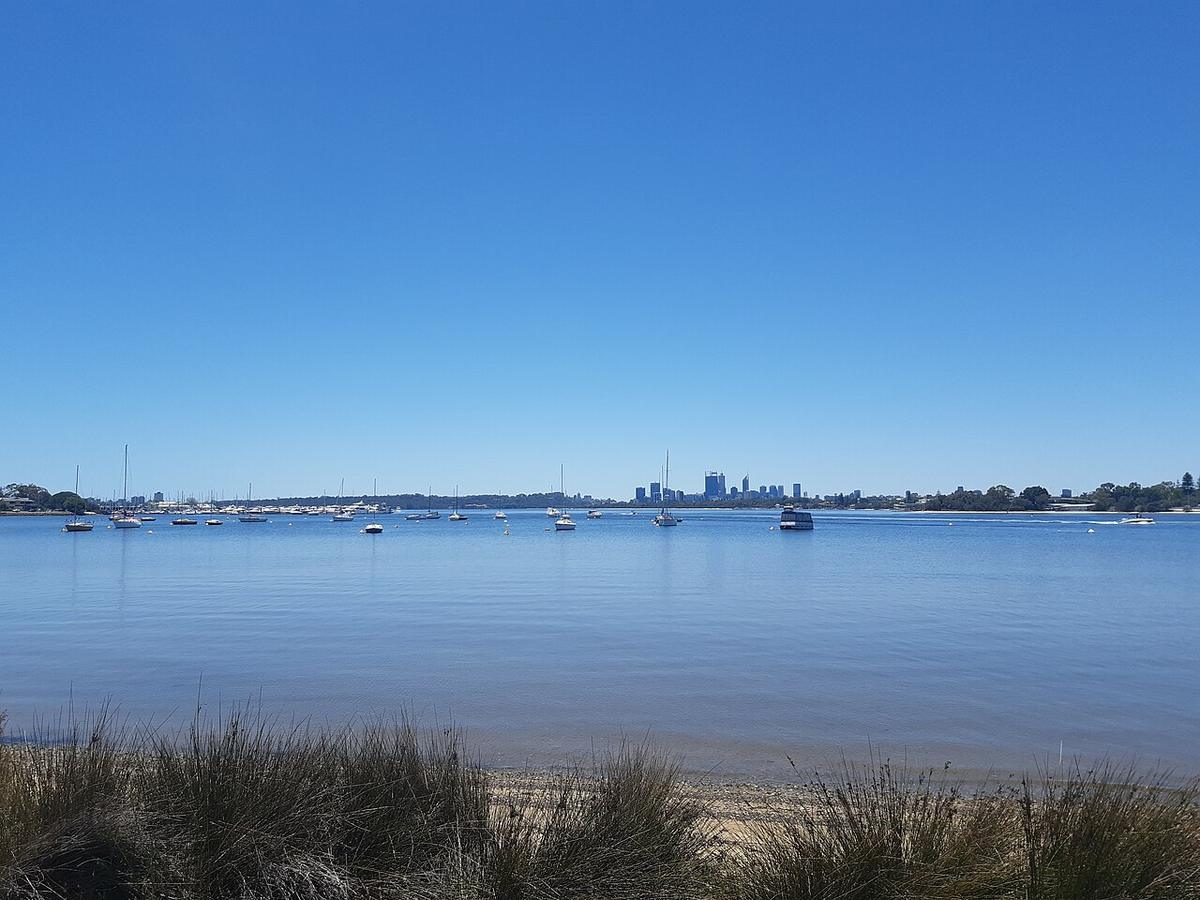
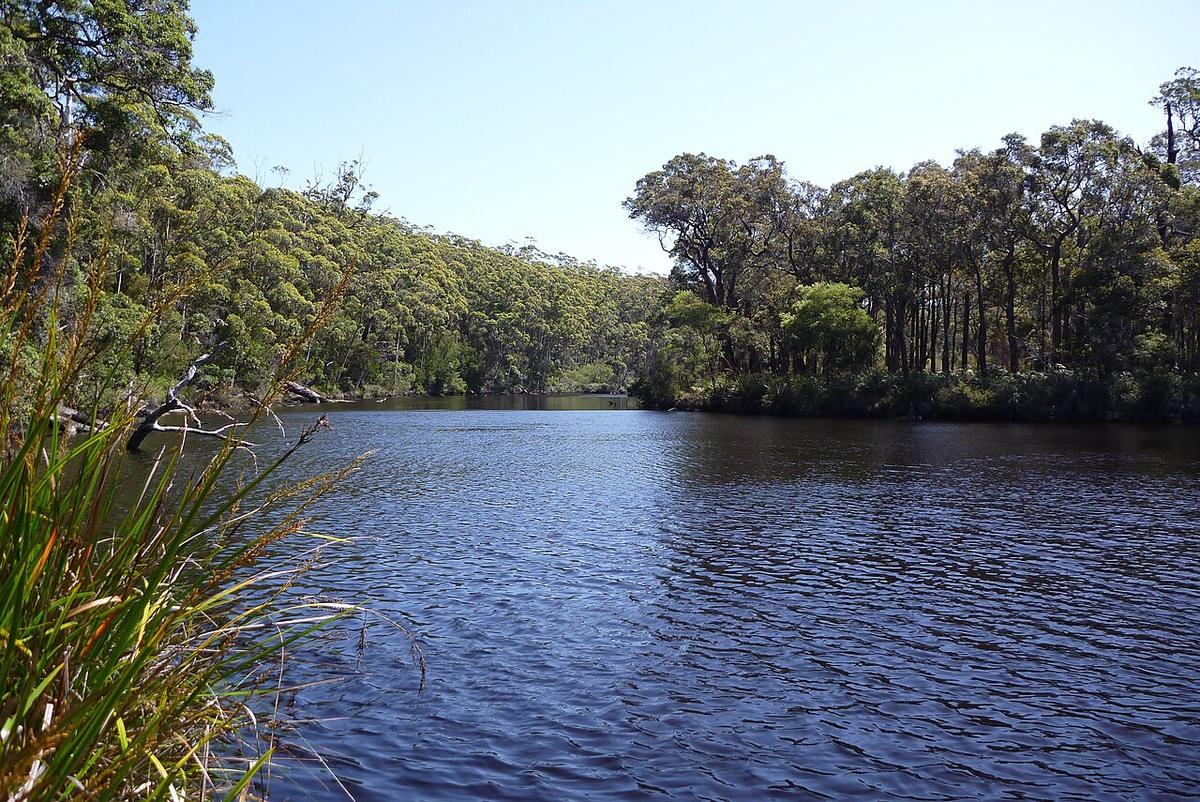
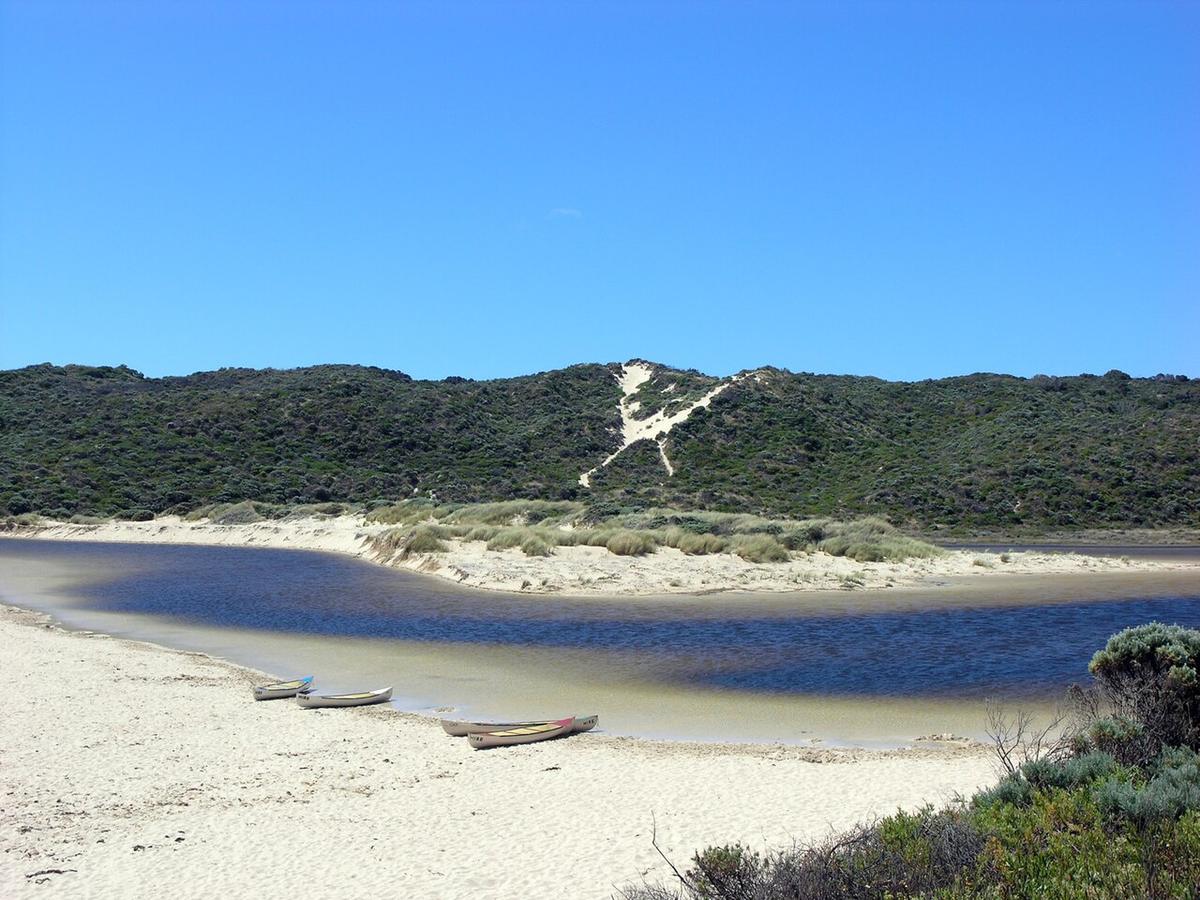
Winter flow changes the character of the rivers. Parks and Wildlife describe the Murray River in Lane Poole Reserve as tranquil in spring and summer and fast white water in winter. In Walpole-Nornalup, the inlets suit a lazy summer paddle while the winter rivers swirl and rage.
Match the season to the trip. Summer is for the inlets, pools and slow reaches. If a winter section turns white, walk around it.
Check river levels before you drive
The Department of Water and Environmental Regulation runs a network of river monitoring stations across the state. Telemetered levels usually update hourly and are free to view.
The data is provisional, so read it as a guide rather than a guarantee. Compare the current level with recent days: a fast rise means rain upstream, and a falling river in late summer means more walking than paddling.
Safety rules on WA water
A packraft fits WA's definition of a paddle craft, and paddle craft must carry the safety equipment the law sets out. On protected waters and within 400 metres of shore, the Department of Transport recommends wearing a level 50S lifejacket or higher.
Paddling between sunset and sunrise? You must carry a torch or lantern showing a white light. Further out, more than 400 metres offshore in unprotected waters, the rules require a worn lifejacket, a GPS-enabled EPIRB or PLB, and flares. A Seeka belongs on the inlets and rivers, not out there.
Wear bright colours, stay close to shore, and tell someone where you are going and when you will be back.
Parks, passes and other water
Some WA parks charge an entry fee per vehicle and some do not. Lane Poole Reserve charges one. Blackwood River National Park and Walpole-Nornalup National Park do not. A Parks and Wildlife park pass covers entry fees for a vehicle; camping is extra. Check current fees and park alerts before you go.
Beyond the trip guides on this page, the Murray River runs through Lane Poole Reserve, where Island Pool gives you access to the river. The Walpole and Nornalup inlets connect to the Frankland and Deep rivers in tall tingle and karri country. In the north, the tropical cyclone season runs from November to April.
Official links
Rules, closures and fees change. Check these before every trip.
- South West WA climate guide (Bureau of Meteorology, PDF) (opens in a new tab)
- River level monitoring (DWER) (opens in a new tab)
- Paddle craft safety rules (Department of Transport) (opens in a new tab)
- Park passes (Explore Parks WA) (opens in a new tab)
- Park alerts (Parks and Wildlife Service) (opens in a new tab)
- Blackwood River National Park (opens in a new tab)
- Lane Poole Reserve (opens in a new tab)
- Walpole-Nornalup National Park (opens in a new tab)
- Tropical cyclone climatology (Bureau of Meteorology) (opens in a new tab)
Pick your Seeka
Not sure which one is yours? See the three side by side.