
Packrafting in the Northern Territory
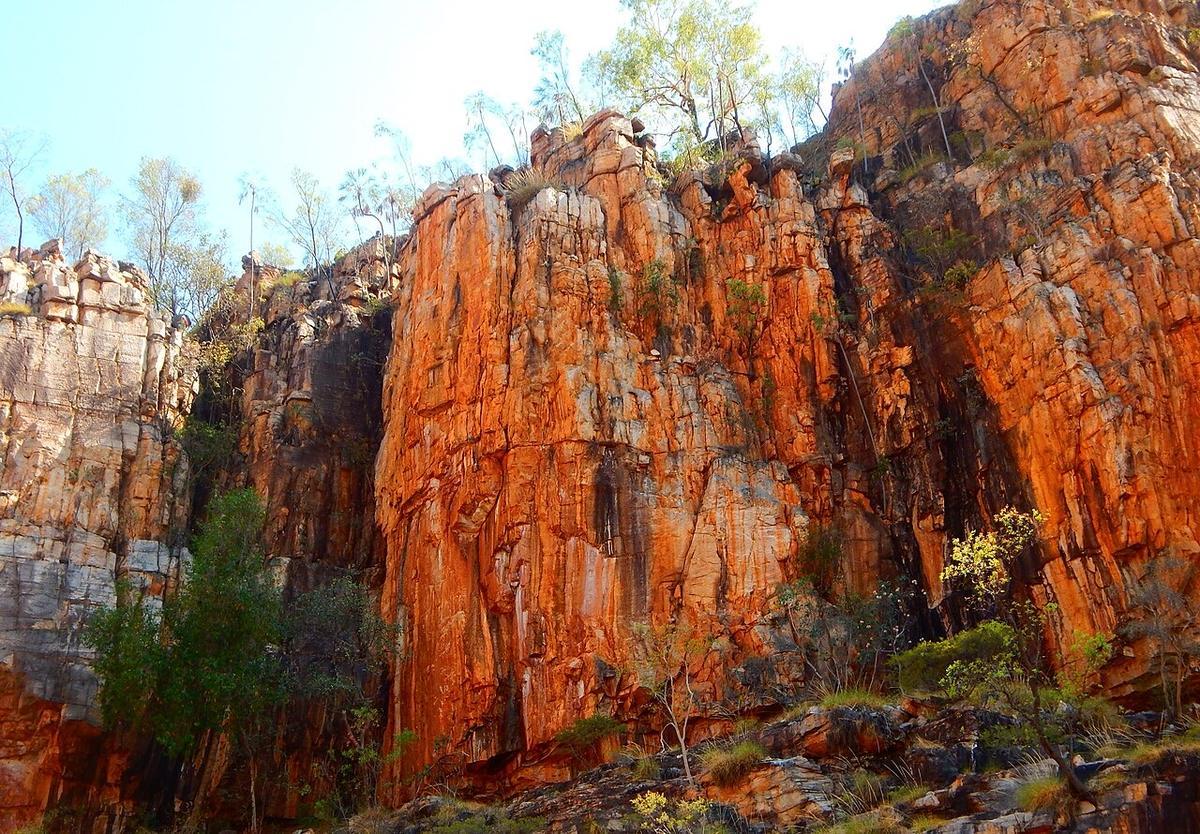
The Northern Territory offers gorge paddling with rules worth respecting. Nitmiluk (Katherine Gorge) is the headline act: a chain of sandstone gorges cut by the Katherine River on Jawoyn country, open to paddlers in the dry season and closed when wet-season flows and crocodile surveys say so.
Trip guides in Northern Territory
1 trip guide
About paddling in Northern Territory
The water between the walls is flat and slow, the portages between gorges are rocky, and the heat is a serious factor from late morning. Book through the park, read the current access conditions, and take the crocodile management zones at face value. This is managed country, and the management is the reason you can paddle it at all. The season, not the forecast, decides your trip. A Seeka suits the flat gorge water. The carries between gorges suit a packraft that packs small even better.
When to paddle the Top End
The dry season is your window. NT Parks warn that temperatures between October and April can be very hot and can top 40°C, and the official tropical cyclone season runs from November to April.
Wet-season floods close the rivers. At Nitmiluk, private boats are not allowed while the river is closed for flooding, and canoeing stays closed while rangers run their crocodile surveys. Closures can run for weeks, so check the park status page before you drive.
Heat shapes every day, even in the dry. NT Parks advise drinking at least a litre of water an hour outdoors, wearing SPF 50 and long sleeves, and starting early. In summer the Top End can pass 30°C by 9 am. Be on the water at first light and in the shade by midday.
Nitmiluk access and permits
You need a permit from the Nitmiluk Centre to launch your own packraft in the gorge. Canoes are not allowed in the First Gorge at all, so private craft start from the Second Gorge.
Private craft cannot ride the Nitmiluk Tours boats, which means you carry your own up to the Second Gorge on foot. This is where a packraft shines: rolled on your back, it makes the carry a walk instead of a portage.
Overnight trips use the gorge campsites listed on the park status page. The Nitmiluk Centre handles canoe permits, and Nitmiluk Tours hires canoes by the half day, full day or overnight if you want to try the gorge first.
Visiting from interstate or overseas? You need an NT Parks Visitor Pass for Nitmiluk, bought online before you arrive. Camping fees are separate, so check current fees when you book.
Crocodiles: Be Crocwise
Treat every Top End waterway as crocodile habitat. The NT Government is clear: any body of water in the Top End may contain large and potentially dangerous crocodiles, and how you behave around that water is your responsibility.
A closure is a closure. Nitmiluk shuts the river to swimming and canoeing after a saltwater crocodile sighting and during surveys, and reopens when rangers are satisfied. Read the signs at every launch.
A packraft sits low and small on the water. Queensland's crocodile advice puts it plainly: the smaller and less stable your craft, the greater your risk. Keep your trips to water the park opens for paddling.
Other paddling water in the Territory
Paddling outside Nitmiluk is limited, and that is by design. NT Parks publish a list of where fishing and boating are allowed. If a park is not on it, boating is neither permitted nor recommended. Litchfield, home of many famous swimming holes, is not on the list.
Elsey National Park, 120 km south of Katherine near Mataranka, is listed for boating with restrictions on the Roper River, with two boat ramps. Its thermal pools are for swimming. Check the park's current status and rules before you launch.
Most other listed waters are fishing spots reached from boat ramps, many on big tidal rivers. They are not packraft trips. In the Territory, Nitmiluk in the dry season is the paddle to plan around.
Official links
Rules, closures and fees change. Check these before every trip.
- Nitmiluk National Park (NT Parks) (opens in a new tab)
- Nitmiluk: check if the park is open (opens in a new tab)
- Canoes, boats and fishing in Nitmiluk (opens in a new tab)
- Nitmiluk Tours: canoe hire and bookings (opens in a new tab)
- Where to fish and boat in NT parks (PDF) (opens in a new tab)
- NT Parks Visitor Pass (opens in a new tab)
- Stay safe in the heat in NT parks (opens in a new tab)
- Be Crocwise (NT Government) (opens in a new tab)
- Elsey National Park (opens in a new tab)
- Tropical cyclone climatology (Bureau of Meteorology) (opens in a new tab)
Pick your Seeka
Not sure which one is yours? See the three side by side.