
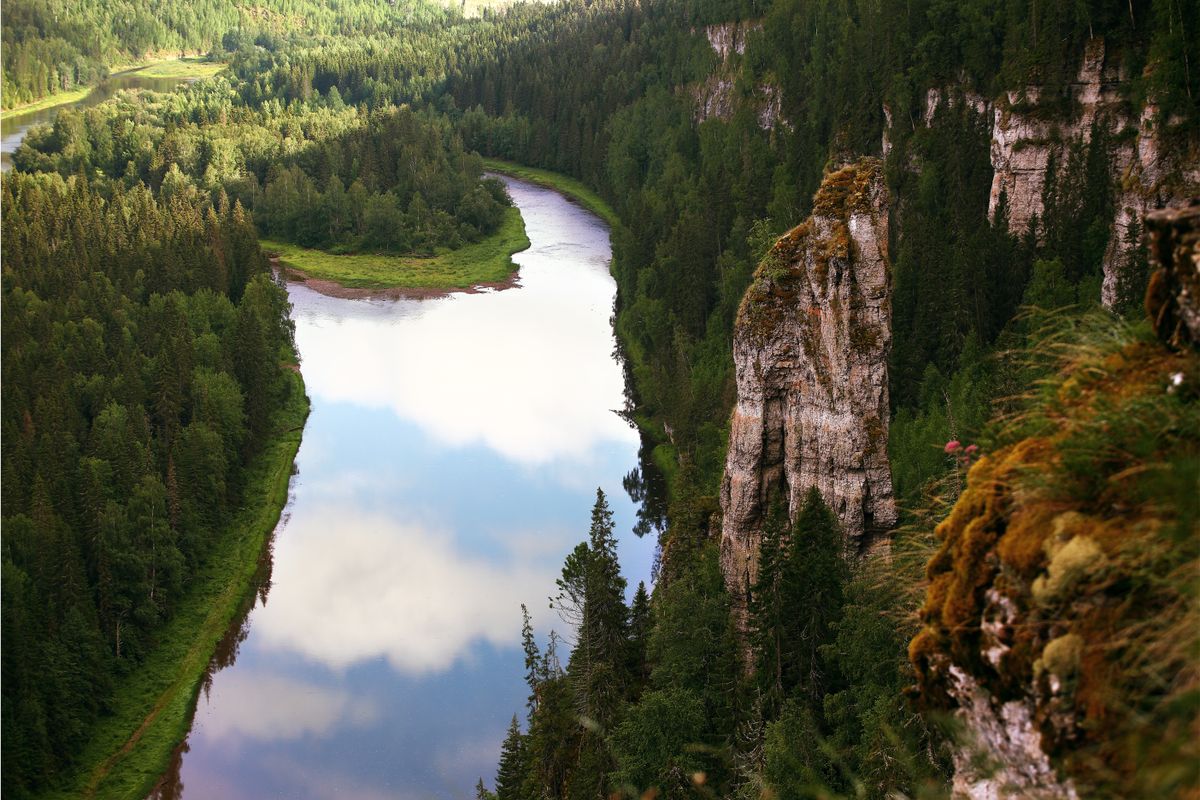
Kangaroo Valley sits in the NSW Southern Highlands hinterland, a few hours south of Sydney. The Kangaroo River winds through it, slow and green, before it drops into the Shoalhaven. Where the two rivers meet, Tallowa Dam has flooded the valley floor and the lower gorge arms into Lake Yarrunga. What you get is flat water inside sandstone escarpments that feels nothing like the farmland you drove through to reach it. It is one of the most approachable overnight paddles on the east coast, and it suits a packraft precisely because the carries are short and the water is calm.
The setting
The valley is dairy country at heart. Broad paddocks, timber bridges, mist in the low ground in the mornings. The escarpment rises sharply on both sides, sandstone walls that dwarf the valley floor. The Kangaroo River runs down the middle in a wide channel that slows right down before it meets the impoundment.
Tallowa Dam was built to supply the Shoalhaven water scheme. The reservoir it made, Lake Yarrunga, drowned the lower valley and the gorge country below it. That drowned-valley character defines the paddling. The water is still and deep, lined by walls and forested slopes that come straight down to the waterline.
The water
Lake Yarrunga reaches its arms into the old river channels, so the paddling is varied without being complicated. The main body opens out where the Kangaroo River meets the Shoalhaven. The gorge arms are narrower, and the walls there stand close enough to feel enclosing. On a calm morning the reflections are exact. Water surface and stone above it, the same image twice.
Flat water runs upstream into both river channels above the impoundment. Stay on the main lake, or work up one of the arms into narrower country. Neither asks anything technical of you. The dam wall is a no-go zone. Stay well clear of it.
The classic overnight
The standard Kangaroo Valley paddle-in overnight follows a simple pattern. Launch from an access point on the lake, paddle to a designated paddle-in campsite, camp, and paddle back out the next morning. NPWS manages several paddle-in sites on Lake Yarrunga. Bookings are required. Check NPWS for current site names, availability, fees and conditions before you set dates.
The paddle-in-only nature of these sites is the point. You sleep somewhere car campers cannot reach. Distances across the lake are short enough that a half-day paddle puts you in camp with time to spare. The second morning is the reverse, with the option to take a different arm on the way out if conditions allow.
A packraft fits this pattern well. No car park big enough to rig a canoe. No shuttle. Carry the packraft to the water, inflate it, paddle to camp, roll it up at the end. The carries are short. The lake format rewards a light, compact hull over a long, heavy one.
Wind, the main variable
The gorge arms funnel afternoon wind. That is the consistent pattern on Lake Yarrunga and across the Shoalhaven gorge country generally. Westerlies build through the afternoon and can make the open water uncomfortable and tiring. Morning paddling is reliable. Afternoon paddling is not.
Put your bigger crossings and longer stretches in the first half of the day. If you are camping on the lake, aim to reach your site before noon. On exposed water with a headwind building, hugging the shoreline slows you less than paddling straight into open water. The narrow gorge arms give you no option but to take the wind, which is one more reason to move through them in the morning.
Cold water in winter raises the stakes of any capsize. The gorge country can be cold even on warm-looking days. A wetsuit or a dry layer under your paddling gear is worth the weight from late autumn through to spring.
Wildlife and the valley
Wombats are common around the campsite areas on the lake. They are most active at dusk and dawn and will walk straight through camp without much concern for you. Give them space. Lyrebirds work the gully floors on the slopes above the waterline. You hear them before you see them, and their mimicry of other birds takes a moment to place.
The escarpments hold peregrine falcons. Swamp wallabies move through the lower scrub. The gorge arms feel removed from the valley farms in a way that is out of all proportion to the distance.
Who it suits
Kangaroo Valley is a strong choice for a first overnight paddle. The water asks nothing technical of you. The NPWS campsite system means you have a confirmed spot to sleep. The distances are short. The drive from Sydney or Wollongong fits a weekend without rushing. All of it takes the uncertainty out of a first overnight.
Couples in a tandem packraft find the lake well suited to the format. Two paddlers cover the water efficiently and share the weight of camp gear without overloading the hull. The carry from car to water is short at most access points, which matters when you are carrying camping gear as well as a packraft.
Experienced paddlers after a relaxed outing find the gorge arms and upper channels offer more variety than the main lake alone. Two nights is not too many.
Drowned-valley flat water with short carries is exactly the water a Seeka is built for.